Logistics development strategy: new direction for a key economic sector
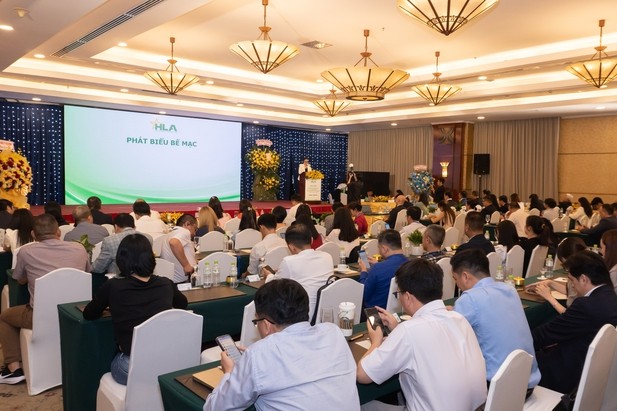
On November 21, in Hanoi, the Ministry of Industry and Trade organized a conference to implement the Vietnam logistics service development strategy for the 2025–2035 period, with a vision to 2050. This is the first national logistics strategy issued by the Government, marking a turning point in recognizing the sector as a key driver of the economy.
Logistics has long been considered the “backbone” of the economy, connecting industries and facilitating trade. Mr. Tran Thanh Hai, Deputy Director General of the Agency of Foreign Trade (Ministry of Industry and Trade), stated that the Vietnam logistics service development strategy for the 2025–2035 period, with a vision to 2050, demonstrates the Government’s strong commitment to this sector.
According to Dr. Bui Ba Nghiem, Senior Specialist of the Agency of Foreign Trade (Ministry of Industry and Trade), the strategy not only establishes a comprehensive policy framework but also opens up opportunities for Vietnam to become a logistics hub at both regional and international levels. Logistics is identified as a key economic sector capable of maximizing local strengths, promoting regional connectivity, and enhancing global integration.
The strategy sets specific targets: in the 2025–2035 period, logistics is expected to contribute 5–7% to GDP, achieve an annual growth rate of 12–15%, reduce logistics costs to 12–15% of GDP, and rank within the top 40 countries globally in the Logistics Performance Index (LPI). In addition, Vietnam aims to develop five international-scale logistics centers, with 70% of the workforce professionally trained. This forms the foundation for logistics to become a spearhead sector, contributing to national competitiveness and the transition toward a knowledge-based, green, and digital economy.

In addition to these ambitious targets, the conference also recorded many opinions from associations, reflecting the current situation and challenges facing the logistics sector. Mr. Dao Trong Khoa, Chairman of the Vietnam Logistics Business Association (VLA), noted that the industry is maintaining an impressive growth rate of 14–16% annually, with a market size of USD 70–80 billion and more than 45,000 participating enterprises.
The VLA alone, with over 800 members, accounts for 70–80% of the core market share. The association has proactively implemented the strategy through action programs such as the Green Logistics–ESG Project, the AgriLogistics Project, the establishment of a representative office in Can Tho, and the launch of a Logistics Innovation Center.
However, not everything is favorable. Business representatives emphasized that reducing logistics costs requires addressing three key factors simultaneously: infrastructure, institutions, and connectivity.
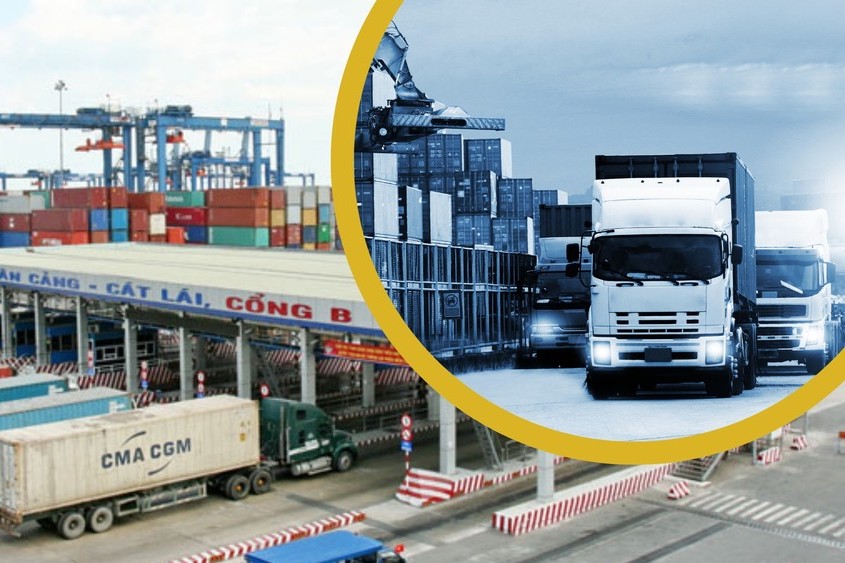
Ms. Dang Thi Minh Phuong, Chairwoman of the Ho Chi Minh City Logistics and Seaport Association, pointed out that logistics costs in Vietnam remain significantly higher than in other countries in the region. The main reason lies in the “lack of synchronization” between planning and implementation. Although master plans have been developed, the progress of key infrastructure projects, seaports, and inter-regional transport systems remains slow, failing to create a solid foundation for substantial cost reduction.

The Vietnam logistics service development strategy for the 2025–2035 period, with a vision to 2050, is an important step toward making logistics a key driver of economic growth. However, to realize these goals, close coordination between the Government, enterprises, and associations is required to address challenges related to infrastructure, institutions, and human resources. Only by overcoming these “bottlenecks” can Vietnam affirm its position as a regional and global logistics hub.
Source: Government Newspaper