
News & Events
How high are logistics costs in Vietnam?
Domestic logistics costs account for a significant proportion of the cost structure of goods. This has eroded the profits of Vietnamese exporters and reduced their competitiveness compared to businesses in other countries in the region.
Domestic North–South freight rates higher than shipments to the U.S.
A representative of a retailer that once introduced Vietnamese mangoes into supermarket systems in Japan stated that Vietnamese mangoes have quality comparable to those from Thailand and the Philippines. However, when sold in Japan, Vietnamese mangoes are nearly 20% more expensive than Thai and Philippine mangoes, resulting in lower export volume and consumption in the Japanese market.
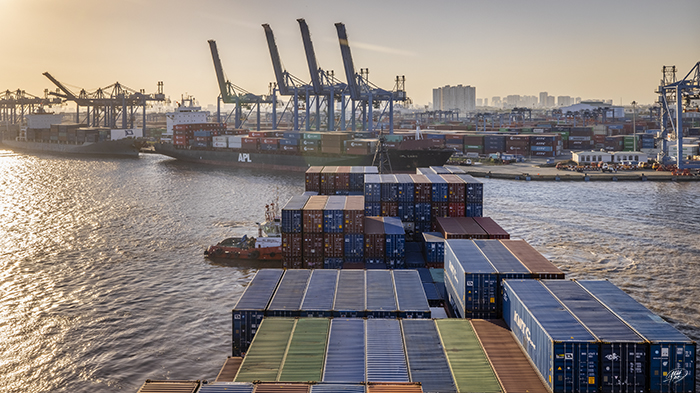
Logistics costs are eroding profits and reducing the competitiveness of Vietnamese goods
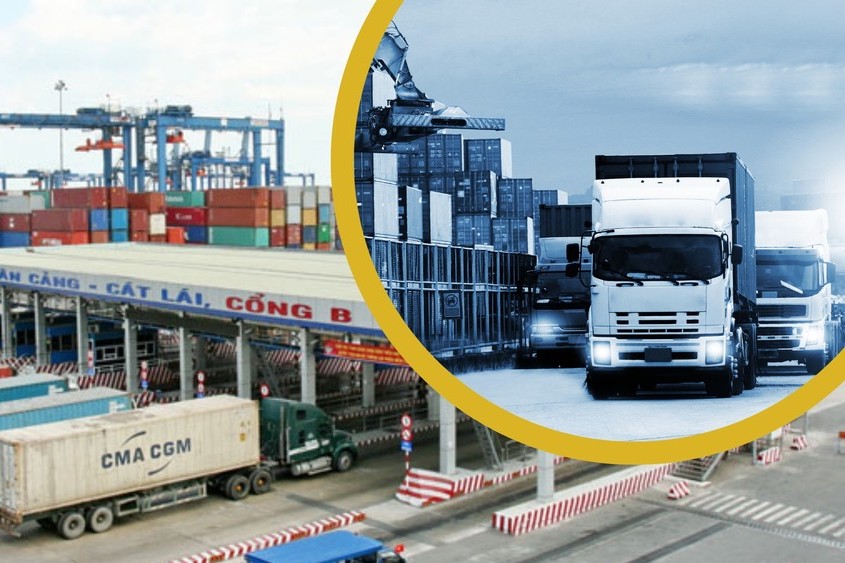
This is not a new issue. In exports, Vietnamese goods bear excessive logistics costs such as domestic freight charges, fees, and surcharges imposed by foreign shipping lines that are higher than standard levels. This further disadvantages Vietnamese exports. Ms. Nguyen Anh, a representative of a foreign logistics company in Ho Chi Minh City, noted that compared to the same period last year, ocean freight booking rates quoted from abroad have remained unchanged, but service booking fees for outbound shipments from Vietnam have increased by 10%. Combined with still-high domestic transport costs as of the end of June, this has pushed export costs even higher.
Specifically, domestic freight rates have increased by approximately 15–20% compared to last year. The cost of trucking containers within a 100 km radius, transporting goods from factories to ports or vice versa, has risen from around VND 2.2 million to VND 2.5–2.6 million. However, due to a sharp decline in export orders, the number of bookings has dropped by about 60% compared to last year. In addition to freight costs, container handling charges have increased from USD 30 to USD 45 per container. Ms. Nguyen Anh emphasized that high handling fees imposed by shipping lines are significantly driving up import-export costs.
Notably, while domestic fuel prices dropped from VND 33,000 per liter last year to VND 22,000 per liter this year, freight rates have not followed suit. Mr. Nguyen Ly Truong An, import-export expert and Deputy Director of SeaAir Global, commented that freight rates decreased slightly at the end of last year but quickly increased again. “Despite the sharp decline in fuel prices, once transport companies raise rates, they rarely reduce them accordingly,” he said. He added that ocean freight for one container from Vietnam to the U.S. East Coast is about USD 2,300, and around USD 2,000 to the West Coast.
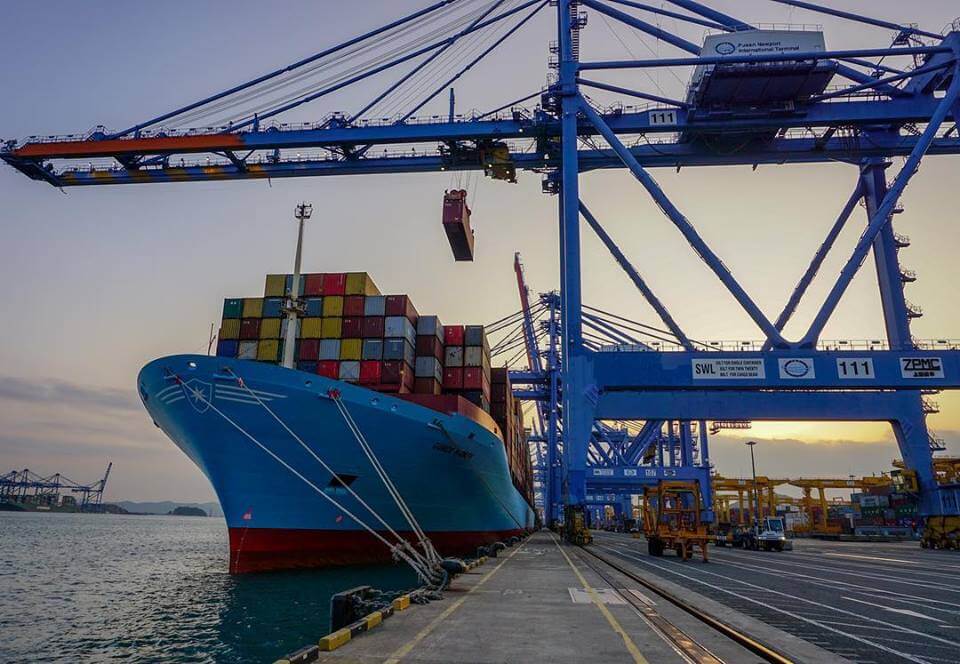
Meanwhile, transporting a container from North to South costs around VND 55 million (approximately USD 2,300). Including VAT, the cost exceeds USD 2,600—higher than shipping a container to the U.S. “This is quite unreasonable,” Mr. An noted. He added that although rail transport is cheaper, cargo security remains a concern, and route flexibility is limited. As a result, exports still mainly rely on road and inland waterway transport, while rail is used primarily for less-than-container-load shipments.
A major barrier to exports
According to some furniture exporters, logistics costs account for 20–30% of the total value of an export shipment. For example, a shipment valued at USD 20,000–30,000 may incur logistics costs of USD 4,000–9,000. Logistics costs for Vietnam’s textile and garment sector are 6% higher than Thailand, 7% higher than China, 12% higher than Malaysia, and three times higher than Singapore.
Data from the Vietnam Logistics Business Association (VLA) shows that logistics costs account for about 16.8% of GDP in Vietnam, compared to the global average of 10.7%. Within ASEAN, Vietnam’s logistics costs are higher than Singapore (8.5%), Malaysia (13%), and Thailand (15.5%). Mr. Vu Duc Giang, Chairman of the Vietnam Textile and Apparel Association, stated that in the current difficult export environment, high logistics costs make it harder for Vietnamese enterprises to compete, eroding profits and creating barriers to entering new markets.
Sharing the same view, expert Nguyen Ly Truong An said many exporters struggle to compete on price, especially in sectors such as textiles and footwear. He explained that high domestic freight costs lead to two trends: export prices increase, reducing competitiveness; and exporters shift from FOB (Free on Board) to EXW (Ex Works) terms to avoid domestic transport costs. However, this reduces profit margins and weakens their position in controlling the supply chain.
“In difficult times, when orders are already declining, rising costs are unacceptable,” Mr. An emphasized. He pointed out that domestic freight costs are driven by three main factors: toll fees, fuel prices, and informal charges during interprovincial transport. He suggested that support policies should focus on these factors, including reducing unreasonable tolls, eliminating unofficial costs, and ensuring freight rates reflect actual fuel price trends.