In the first 11 months of 2025, Vietnam’s economy faced a historic natural disaster sweeping across the Central region, causing severe impacts on production and livelihoods. Despite the heavy effects of prolonged flooding, the economy maintained a clear recovery momentum, particularly in international trade, public investment, industrial production, and macroeconomic stability. The economic picture reflects both bright prospects of strong recovery efforts and darker tones of short-term risks and disruptions that need to be promptly identified and addressed.
First, exports rebound strongly while domestic industry lags behind.
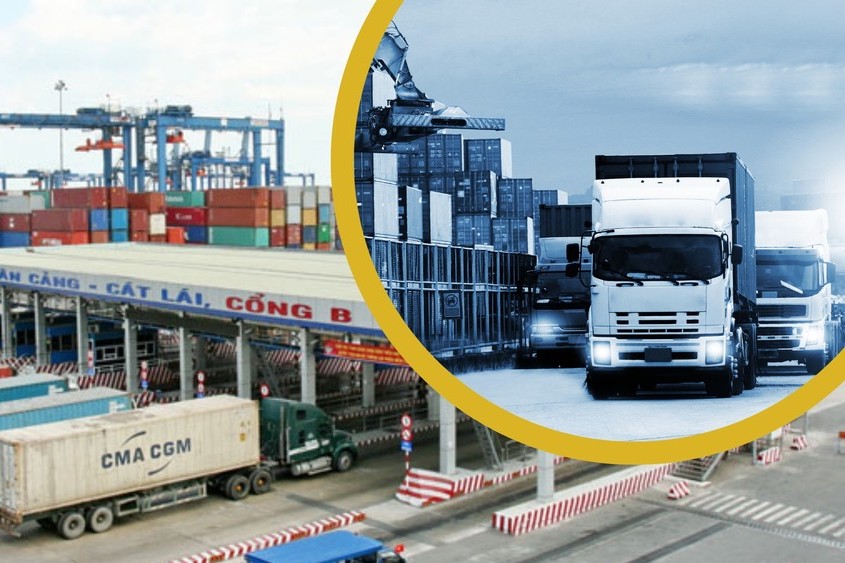
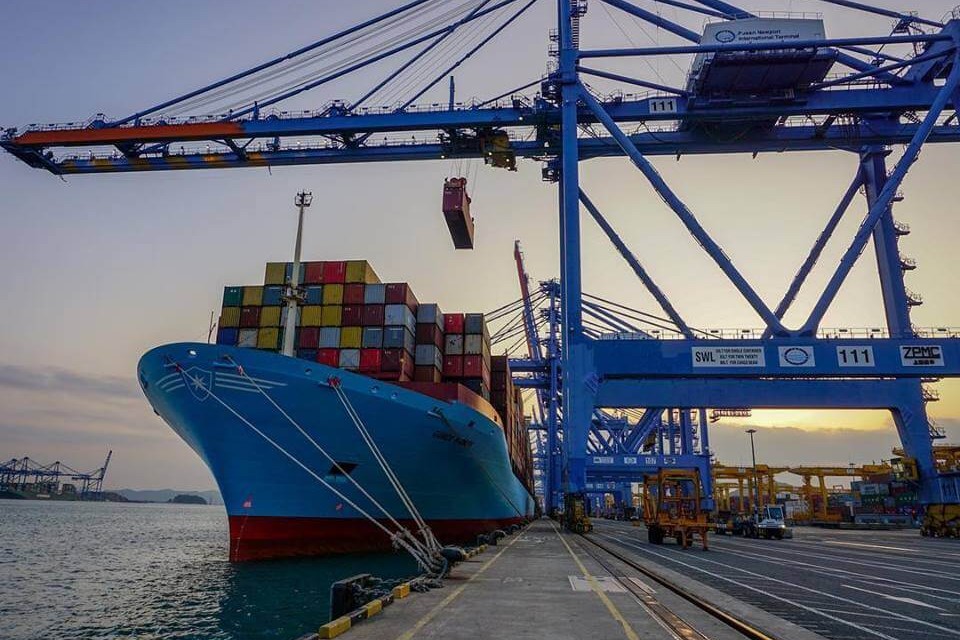
Export turnover in the first 11 months of 2025 continued to grow robustly, reaching USD 430.1 billion, up 16.1% year-on-year, becoming a key driver helping the economy overcome challenges. Of which, the foreign-invested sector reached USD 327.7 billion, up 23.1%, accounting for 76.2% of total export turnover; the domestic sector reached USD 102.4 billion, down 1.7%, accounting for 23.8%.
Domestic industry has yet to keep pace with this growth, resulting in limited value addition and supply chain linkages. Compared to the same period last year, total import-export turnover reached USD 839.75 billion, up 17.35%, with several items recording high value and growth rates such as electronics, computers and components reaching USD 96.917 billion, up 48.5%; machinery, equipment, tools and spare parts reaching USD 53.358 billion, up 11.6%.

Second, the industrial and construction sectors regain their role as growth drivers.
In the first 11 months of 2025, the industrial production index is estimated to increase by 9.3% compared to the same period last year, 1 percentage point higher than the same period in 2024. Of which, the manufacturing and processing sector increased by 10.6%, compared to 9.6% in the same period of 2024.
Notably, several key industrial products recorded double-digit growth of over 10% in the first 11 months of 2025. Specifically, automobile production increased by 37.4%; televisions by 19.0%; rolled steel by 18.5%; apparel by 14.2%; cement by 14.1%; and leather footwear by 12.8%.
Third, public investment accelerates, but efficiency remains limited. Public investment continued to expand strongly, with many strategic infrastructure projects being accelerated, creating spillover effects across construction materials, logistics, energy, and services sectors.
State budget investment disbursement in the first 11 months of 2025 is estimated at VND 736.4 trillion, reaching 72.2% of the annual plan and increasing by 26.8% year-on-year. Realized foreign direct investment in Vietnam is estimated at USD 23.6 billion, the highest for the 11-month period in the past five years, up 8.9% compared to the same period last year.
However, disbursement speed has not been matched by efficiency. Many projects remain scattered and not sufficiently focused on strategic pillars, while coordination mechanisms with the private sector are still not attractive enough.
Fourth, credit growth remains high but has not created a breakthrough for economic growth.
Total credit in the economy by the end of November exceeded the 16% growth target compared to the end of 2024; of which 69.83% of total credit flows into the service sector, 24% into industry and construction, and 6.17% into agriculture, forestry, and fisheries.
This credit structure creates a mismatch among sectors and growth drivers; the productive sector – the foundation for enhancing production capacity and exports – has not received adequate support.
Fifth, institutional reform sees breakthroughs, while businesses still hold high expectations.
In the economic landscape of the first 11 months of 2025, the institutional sector has emerged as a key pillar for long-term reform.
On July 4, 2025, the Prime Minister issued Decision No. 21/2025/QD-TTg, clearly stipulating environmental criteria and certification processes for investment projects under the green taxonomy.
With this decision, Vietnam has, for the first time, established a relatively comprehensive legal framework for green investment, marking a significant shift from growth at all costs to responsible and green growth, creating a transparent corridor for capital markets and green credit.
Sixth, the strategic triangle of green – digital – knowledge economy emerges as a new growth driver.
The green economy, digital economy, and knowledge economy are forming three key pillars for sustainable growth. This is not only a trend but an inevitable trajectory to enhance productivity, value addition, and national competitiveness in the coming decade.
The green economy helps Vietnam reduce international trade risks and meet requirements on emissions and sustainable growth. The digital economy acts as a new driver to improve labor productivity, create new value chains, and enhance governance efficiency. The knowledge economy contributes to improving technological capacity, innovation, and product value.
When these three pillars are synchronously combined with institutional reform, high-quality public investment, and a strong domestic market, they will serve as a launchpad for economic breakthroughs in the 2026–2030 period.
Source: Government Electronic Newspaper