
Iraq threatens to leave OPEC amid dispute over oil production quotas
The Organization of the Petroleum Exporting Countries (OPEC) is once again facing a serious internal challenge. Iraq, the organization's second-largest oil producer, has issued a strong warning that it will consider withdrawing from OPEC if its crude oil production quota is not increased.
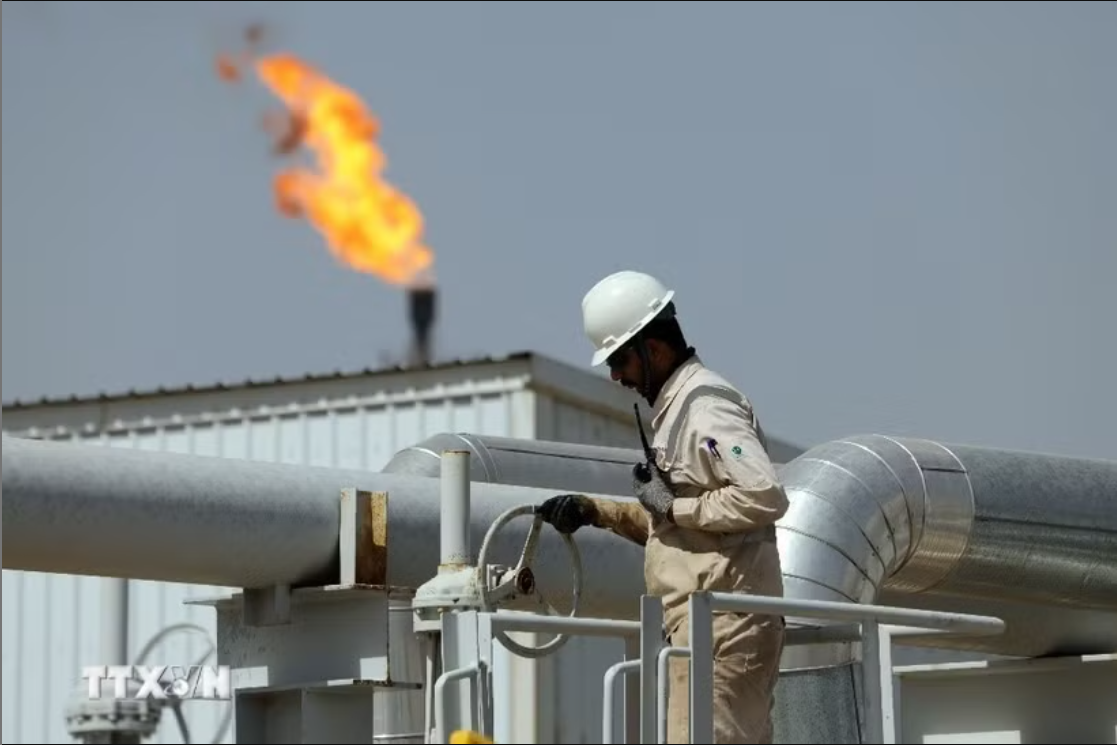
Senior officials from Iraq's Ministry of Oil have also taken a firm stance, stating that prolonged instability caused by conflicts in the Middle East has pushed the country into a severe financial crisis and placed significant pressure on its budget. As a result, Iraq needs to increase oil production to stabilize its economy and generate additional revenue. Raising its OPEC production quota is therefore considered a key demand, and Iraq expects major members, particularly Saudi Arabia, to give the proposal serious consideration. Otherwise, Iraq will consider all available alternatives.
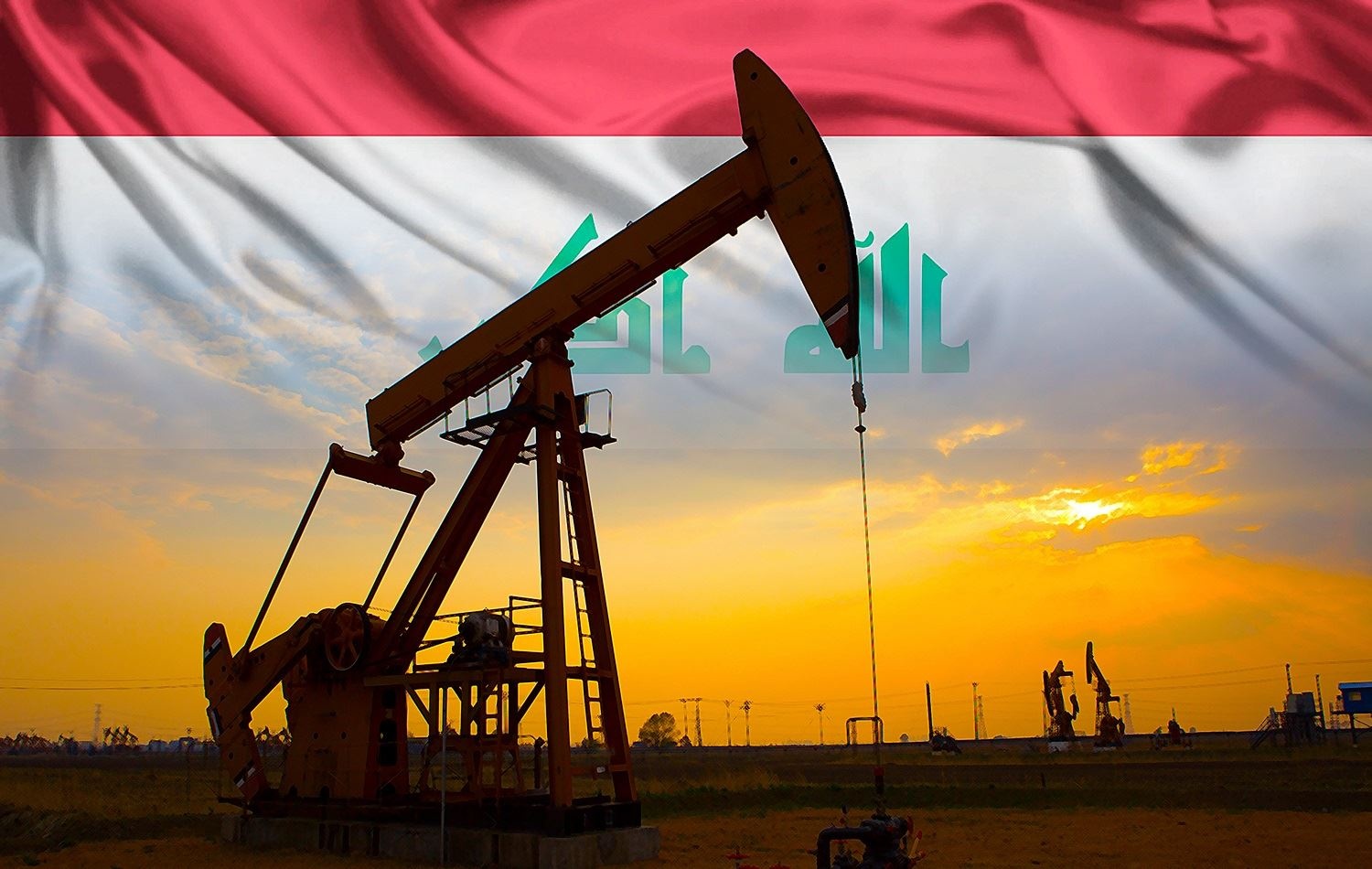
Iraq aims to restore production to more than 7 million barrels per day
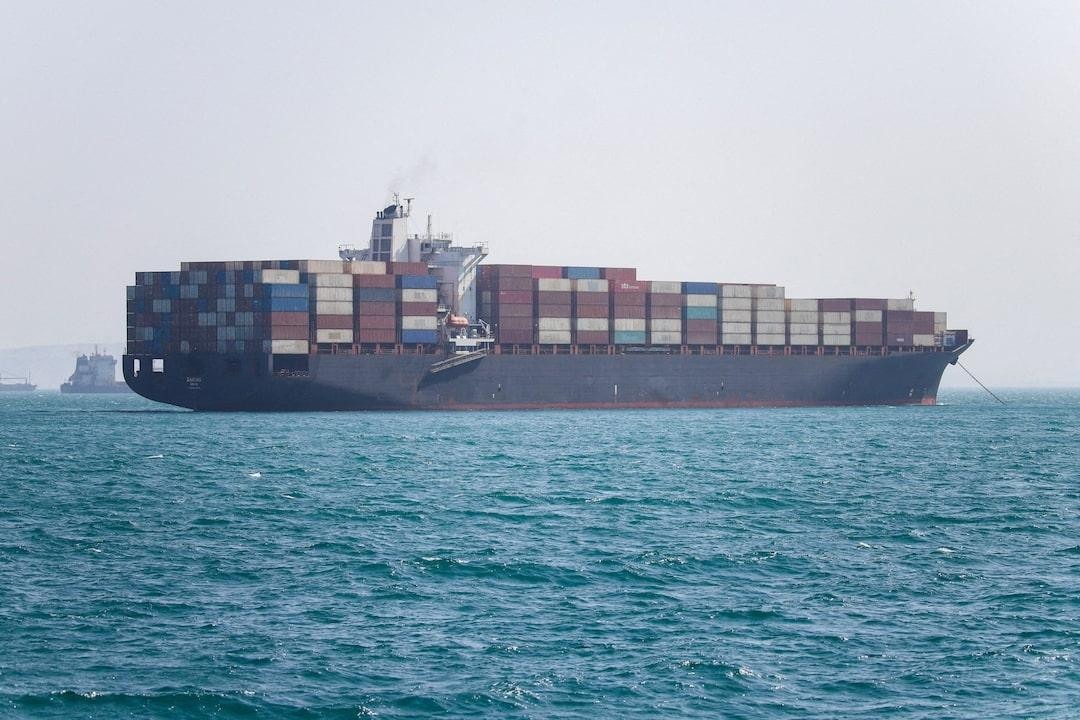
Earlier, an Iraqi government spokesperson said the country is prioritizing the repair of its oil export facilities and the full restoration of its crude oil export capacity.
Under its national plan, Iraq aims to increase oil production to more than 7 million barrels per day in the coming years to fully utilize its oil and gas resources and support economic recovery through the petroleum sector.
Iraq holds an important position within OPEC. It has the organization's second-largest production quota, after Saudi Arabia, and is also one of the five founding members of OPEC. The organization was established in 1960 in Baghdad, Iraq, making the country the birthplace of OPEC. As a result, developments in Iraq have a significant impact on the global oil market.
UAE's departure adds to concerns over OPEC's influence
Iraq's pressure comes at a time when OPEC has already been facing internal changes.
Last month, the United Arab Emirates (UAE) officially announced its withdrawal from OPEC after decades of membership. The UAE stated that the decision was based on a comprehensive assessment of its domestic production capacity, oil policy, and global supply-demand trends, allowing the country greater flexibility in allocating production and responding to international market conditions.
Oversupply raises the risk of a new oil price war
The global oil market has changed significantly. WTI and Brent crude prices have erased the gains previously driven by geopolitical tensions, while global oil supply is showing signs of exceeding demand.
In this context, Iraq's request for a higher production quota reflects increasing pressure to compete for market share and boost revenue amid weak demand and oversupply.
Industry organizations have warned that if internal disagreements within OPEC continue to escalate and member countries act independently, the risk of a new oil price war will increase, making international oil prices even more volatile.
Long-standing quota disputes continue
The market generally believes that Iraq's threat to leave OPEC is more of a negotiating tactic than an actual decision.
Since the establishment of OPEC+ in 2016, Iraq has repeatedly been subject to production limits and has expressed dissatisfaction with its quota.
Iraq argues that, after decades of conflict and economic sanctions, its economy remains fragile and depends heavily on oil exports for reconstruction. Therefore, it believes its production quota should be increased. In the past, Iraq has repeatedly exceeded its assigned production quota and has been criticized by Saudi Arabia, the leading member of OPEC, contributing to long-standing tensions within the organization.