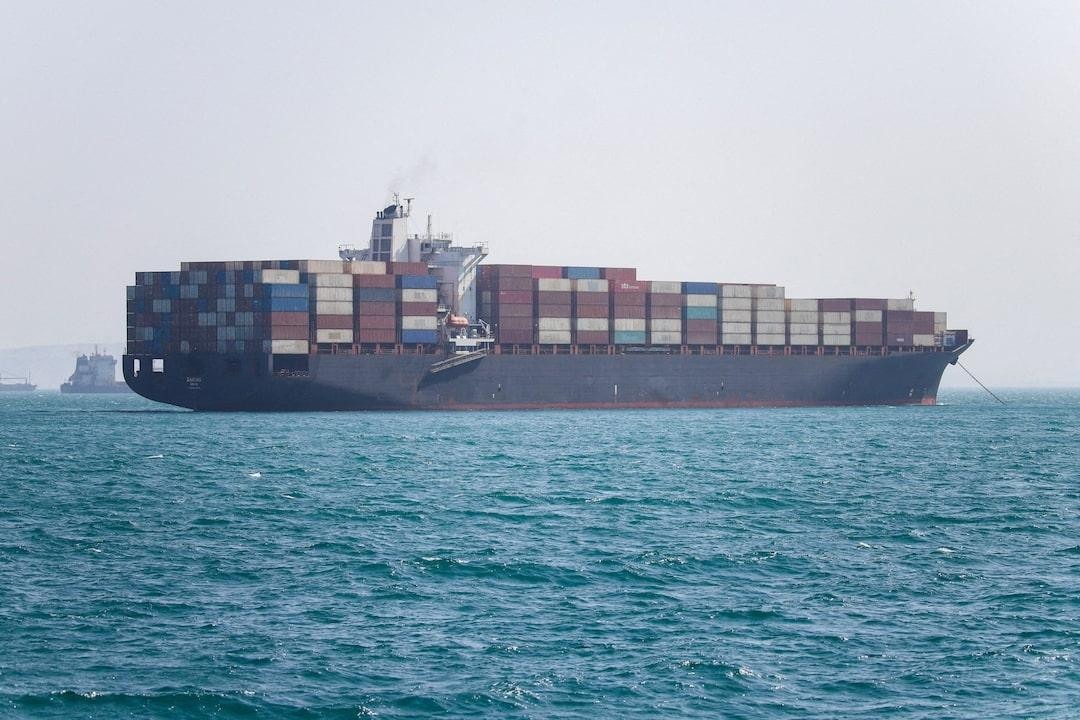

Container freight rates approach two-year high amid new tariff concerns
Global container freight rates are approaching their highest level in nearly two years as U.S. importers bring forward their shipping bookings amid concerns over the introduction of new import tariffs.
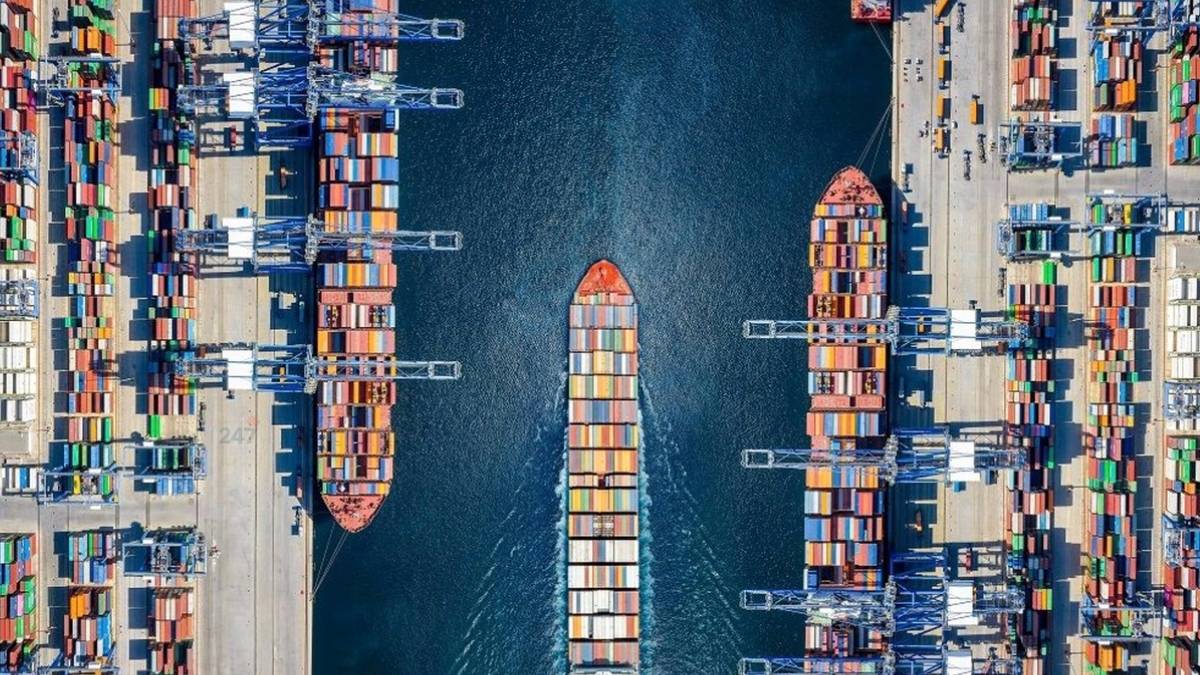
Container freight rates surge amid tariff concerns
Contrary to earlier forecasts that 2026 would be a relatively quiet year for the container shipping industry, the market is witnessing a rapid increase in freight rates, bringing them close to their highest level in nearly two years.
The increase is mainly driven by expectations that the United States will introduce new import tariffs, while shipping capacity remains constrained and tensions between the United States and Iran continue to affect global shipping networks.
According to the Drewry World Container Index, global container freight rates this week approached USD 4,200 per FEU (40-foot equivalent unit), up 40% compared with the same period last year, supported by strong U.S. import demand and continued high export booking volumes from China.
Businesses bring forward shipping bookings
One of the main factors behind the increase in shipping demand is concern over possible changes to U.S. import tariff policies.
After the U.S. Supreme Court rejected the legal basis for tariffs imposed under the International Emergency Economic Powers Act (IEEPA), the U.S. government used Section 122 to impose a 15% import tariff on goods from all countries.
The tariffs under Section 122 are scheduled to expire on July 24. The market now expects President Donald Trump to announce new tariffs to replace them.
On June 26, Mr. Trump also warned that he would impose a 100% import tariff on countries that levy taxes on the overseas revenues of U.S. technology companies, targeting the digital services tax plans of several European countries.
Asia–U.S. freight rates continue to rise
According to freight forwarders and cargo owners quoted by The Wall Street Journal, the current 15% baseline tariff under Section 122 is considered more favorable than the tariff levels that could be introduced in the coming months.
To take advantage of the current tariff rate, many companies have moved forward their shipping schedules for goods intended for the year-end shopping season. According to Drewry, the benchmark freight rate on the Shanghai–Los Angeles route increased by 12% in just one week, reaching USD 5,750 per FEU.