
USD 125 billion remains stranded in the Strait of Hormuz
The latest report from Allianz reveals the enormous scale of losses after more than 100 days of the closure of the Strait of Hormuz. Although trade has shown signs of gradually recovering, global supply chains continue to face significant consequences and what Allianz describes as a "new normal."
Since tensions in the region escalated at the end of February, this is the first report to accurately estimate the value of maritime assets stranded in the Gulf for more than 100 days. Allianz stated that the unprecedented closure of this vital shipping route has raised serious concerns about the future of the global maritime industry.
The crisis has also forced the insurance industry to rethink its approach to risk management. Justus Heinrich, Head of Marine Insurance at Allianz, said the current situation has completely changed insurers' perception of strategically important maritime chokepoints.
A "new normal" emerges
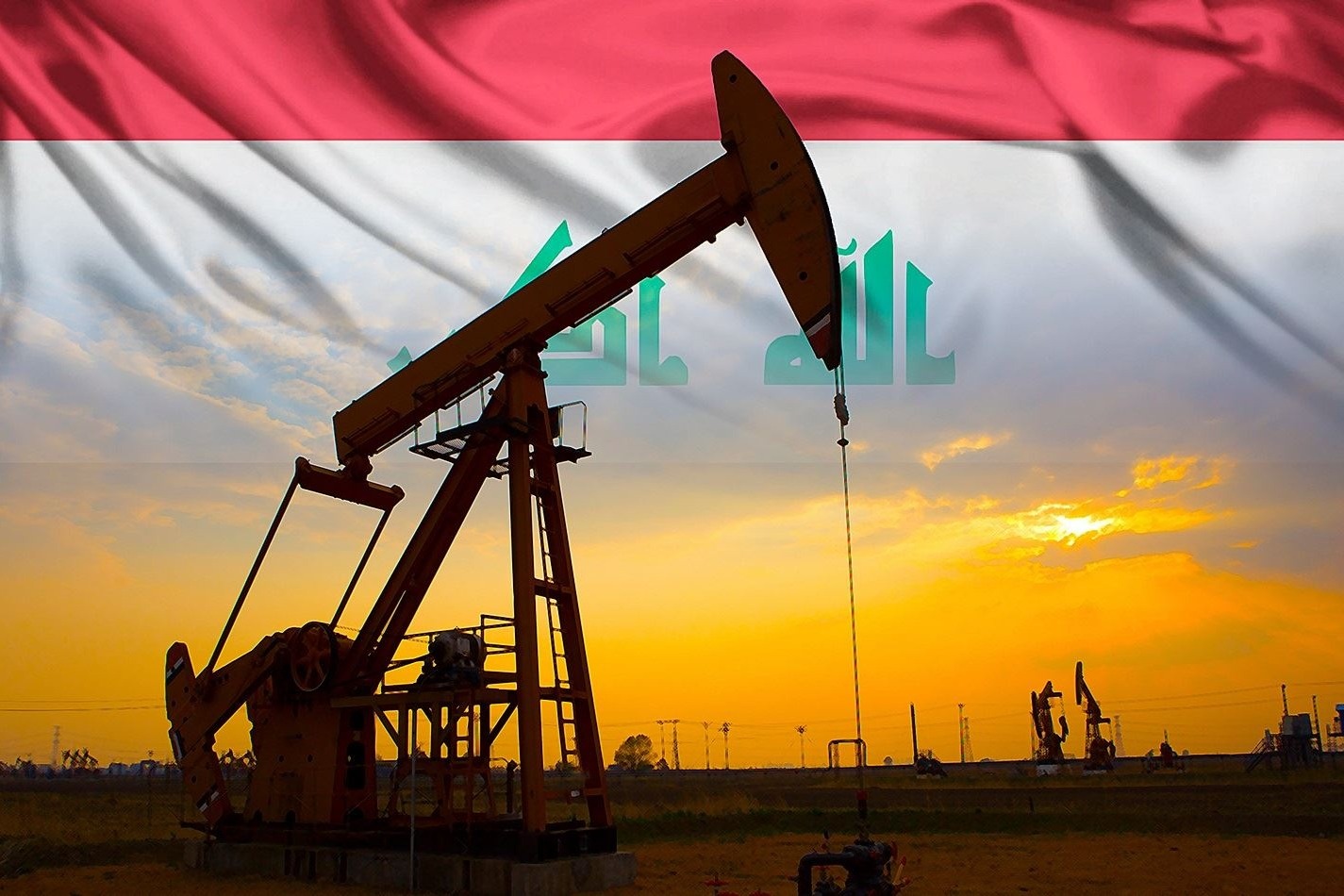
Before the conflict began, the Strait of Hormuz served as a critical artery for global energy trade, handling one-fifth of the world's oil and gas supply, with an average of 135 vessels passing through the strait each day.
The closure of this key shipping lane immediately disrupted global energy markets and pushed crude oil prices above USD 100 per barrel.
According to the International Maritime Organization (IMO), more than 40 vessels have been hit by missiles and 14 seafarers have been killed, with oil tankers suffering the heaviest losses.
Pressure on global supply chains
The impact of the crisis continues to spread, placing long-term pressure on global logistics flows.
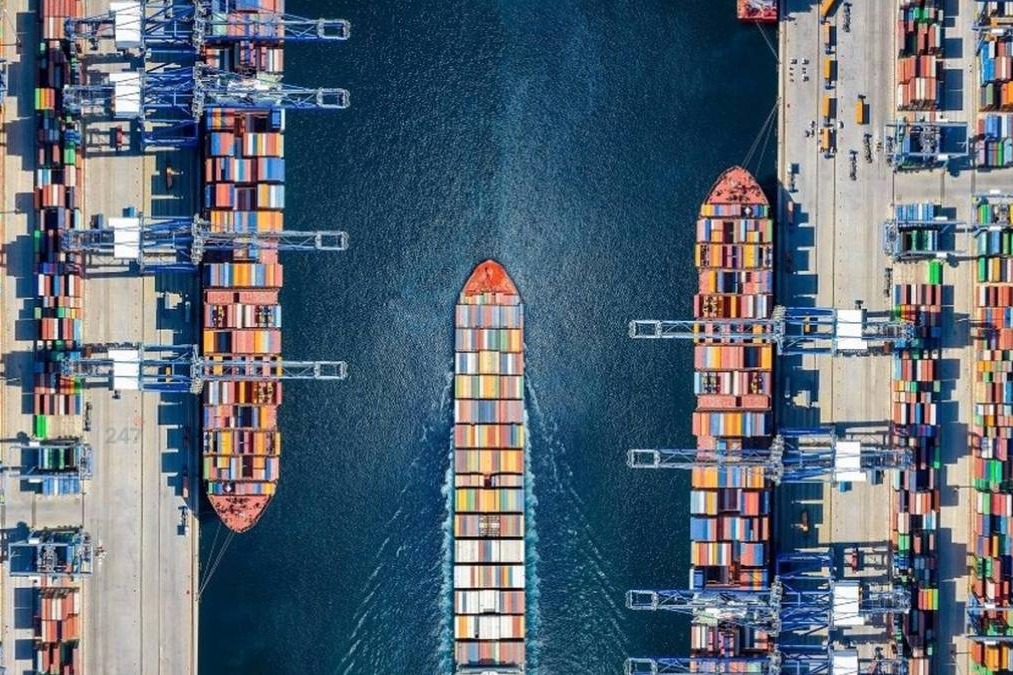
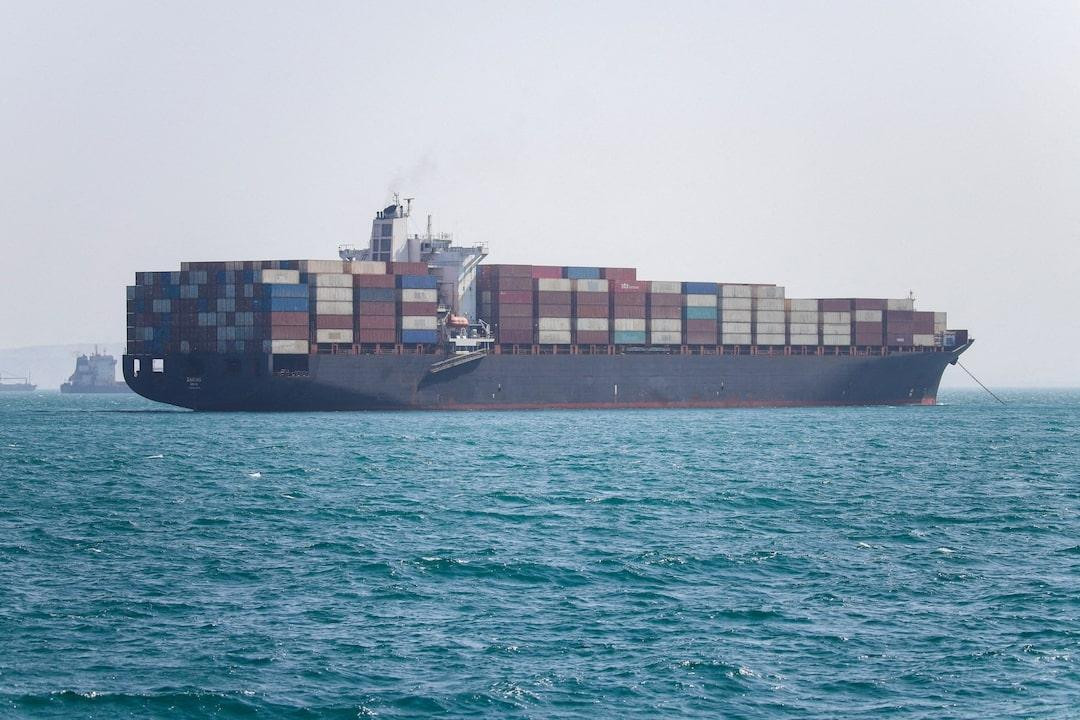
According to Michael Aldwell, Executive Vice President for Sea Logistics at Kuehne+Nagel, the world's largest freight forwarding company by volume, approximately 300,000 twenty-foot equivalent units (TEUs) remain stranded in the Gulf region. The congestion has also placed severe pressure on road transportation networks serving the area.
Because cargo moving through the Middle East does not mainly consist of perishable goods, most of these containers remain on board vessels or have been unloaded and stored at regional ports.
Nevertheless, financial losses continue to increase. Rahul Khanna, Head of Marine Risk Consulting at Allianz, said the company has already begun receiving insurance claims for vessels damaged by missiles or unmanned aerial vehicles (UAVs). Allianz also expects to receive additional claims related to pharmaceutical products and frozen food shipments damaged as a result of prolonged storage caused by port congestion.
Beyond the financial losses, Allianz's report also highlights a humanitarian crisis involving 20,000 seafarers stranded aboard ships in the Gulf region.
The abandonment of seafarers by shipowners—including unpaid wages and reduced supplies of essential necessities—has continued to increase over the past six years, reaching a record of more than 6,000 cases.