
Trump tightens restrictions on offshore wind as China accelerates its lead
While many countries are accelerating offshore wind development as a key pillar of the global energy transition, the administration of President Donald Trump is seeking to slow the sector’s growth in the United States through a series of restrictive measures targeting new projects while prioritizing the expansion of fossil fuel production.
The move comes at a time when the US offshore wind industry is seen as being on the verge of major growth after years of investment and supply chain development. At the same time, the gap between the US and both China and Europe in the global clean energy race continues to widen.
China leads the global offshore wind market
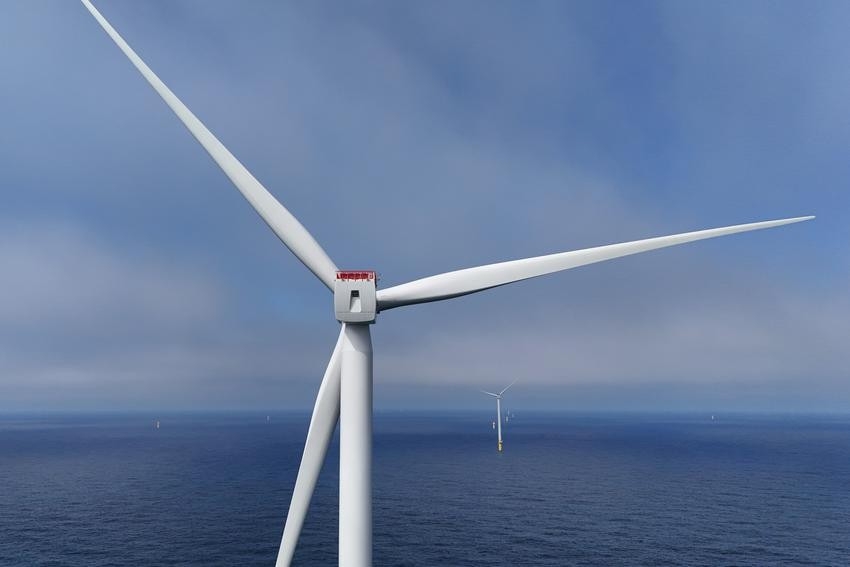
Offshore wind power is considered one of the world’s most promising clean energy sources due to its ability to generate large-scale electricity near coastal areas, where population density and electricity demand are highest.
Unlike coal, oil, or natural gas power plants, offshore wind turbines generate electricity with almost no greenhouse gas emissions, helping reduce the pace of global warming.
According to the Global Wind Energy Council, there are currently 19 countries and markets operating offshore wind projects. China leads the world in both the number of projects and total installed capacity, followed by the United Kingdom and Germany.
In addition to these three major markets, many other countries are also rapidly increasing investment in offshore wind, including the Netherlands, Taiwan, Denmark, Belgium, France, Vietnam, South Korea, Japan, Sweden, the United States, Norway, Finland, Italy, Portugal, Ireland, and Spain.
China is not only leading today but is also expected to dominate the market in the coming years. The GWEC estimates that China will account for approximately 56% of all newly added offshore wind capacity worldwide between 2026 and 2030. In comparison, the European Union is expected to account for around 29%, while the United States is projected to contribute only about 5%.
The United States is falling behind in the clean energy race
The United States currently has only three operational offshore wind farms, including Block Island Wind Farm, the country’s first offshore wind project; the Coastal Virginia Offshore Wind pilot project developed by Dominion Energy, the first offshore wind project in federal waters; and South Fork Wind, the first large-scale offshore wind farm supplying electricity to New York State.
In addition to the three operational projects, the US also has three other offshore wind projects that have begun generating electricity while undergoing final construction or testing phases. These include Vineyard Wind in Massachusetts, Revolution Wind in Rhode Island, and the full-scale Coastal Virginia Offshore Wind project off Virginia Beach.
Analysts warn that the slow pace of offshore wind development in the United States could leave the country further behind in the global competition for clean energy technology and supply chains, a sector expected to attract trillions of dollars in investment over the coming decades.