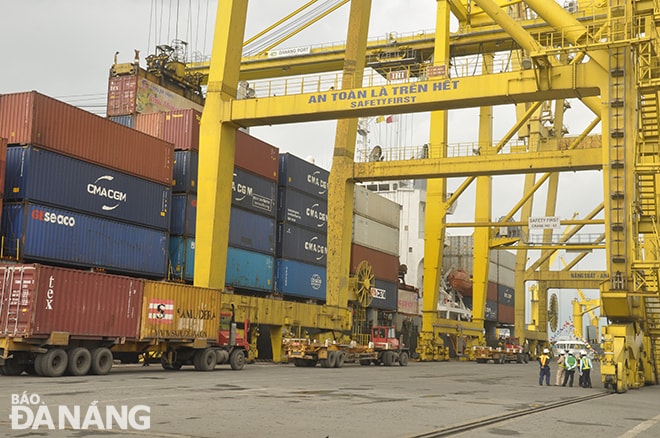

Singapore’s blue ocean economy and its role as a global logistics hub
Singapore is maximizing its core strengths in port infrastructure, logistics capabilities, and financial capacity to take a leading role in the green transition of the global maritime industry.
From seaports to the global policy agenda
International discussions about ocean protection often focus on treaties, fishing quotas between governments, or regulations issued by global organizations. In reality, however, many of the decisions shaping the future of the oceans originate from port cities, where ships refuel, cargo moves through terminals, and financial systems coordinate maritime activities.
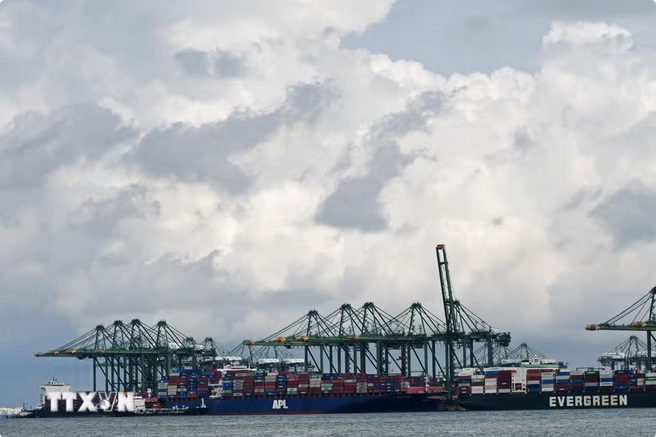
Singapore is perhaps the clearest example of this trend. As a city-state, it combines urban governance and national policy tools in a highly flexible way to generate broad influence. Its strategic location at the entrance to the Strait of Malacca provides the foundation, but it is the dense network of infrastructure, services, and institutions that has transformed the country into a central node within global supply chains.
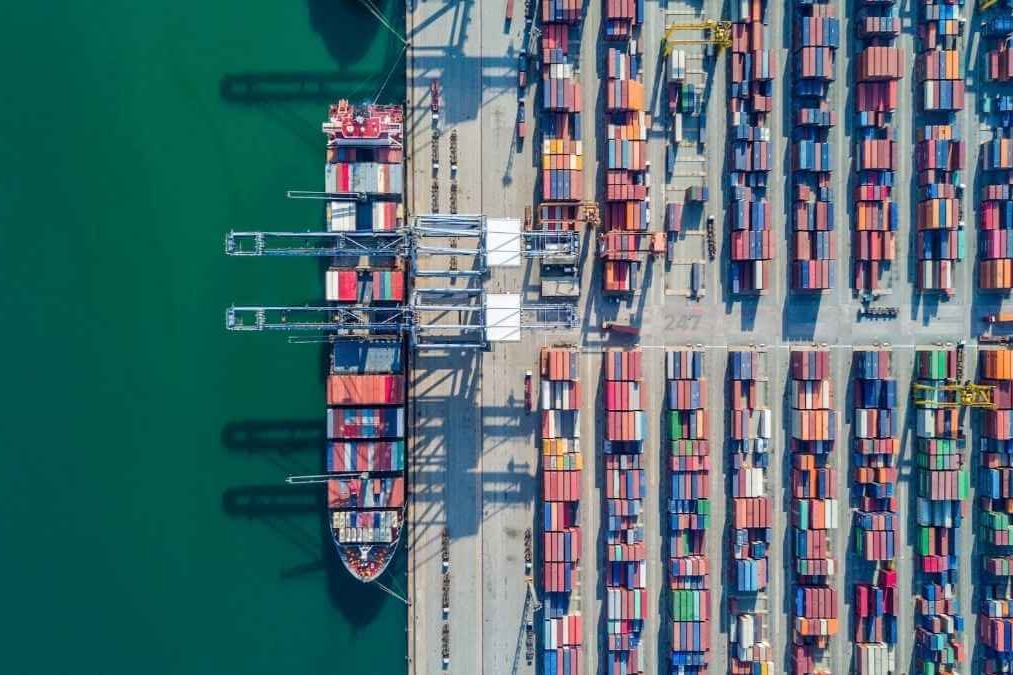
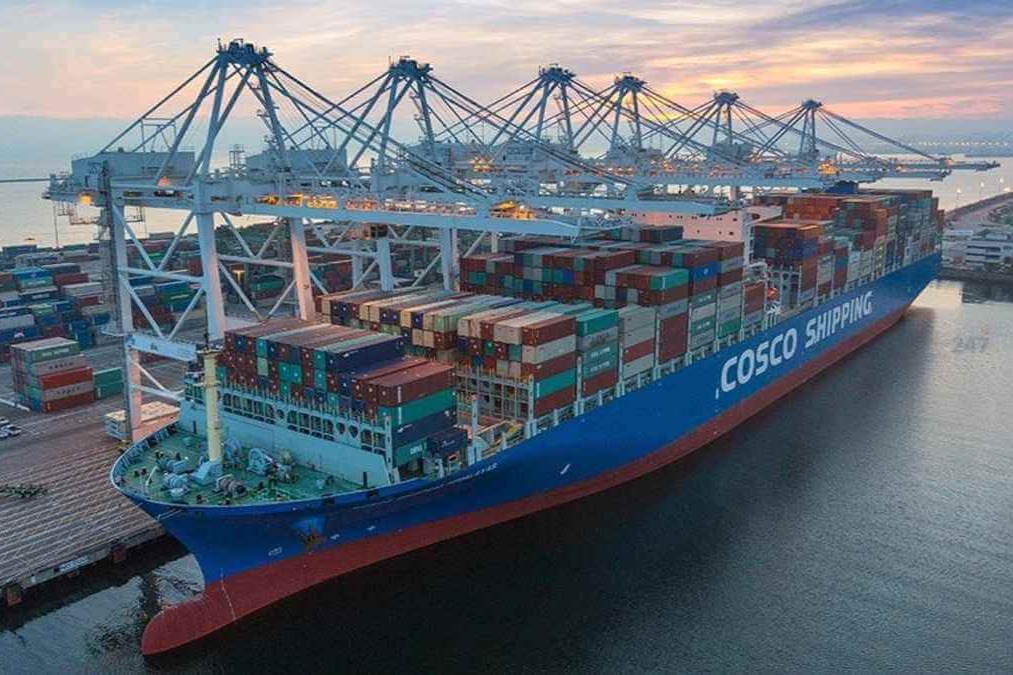
Today, Singapore remains the world’s largest bunkering hub and one of the busiest transshipment ports globally. The integration of large-scale port infrastructure with a leading international airport enables operators to coordinate logistics activities within a single hub, creating a significant competitive advantage.
Leading the development of green shipping corridors
Singapore’s influence extends far beyond its territorial waters. When a port holds essential commercial importance, the standards it adopts can directly shape the behavior of international shipping fleets. Leveraging this position, Singapore is actively promoting decarbonization across the maritime industry.
These efforts are not solely about achieving climate targets but also reflect a commercial necessity: maintaining relevance and leadership as the global shipping industry transitions toward new energy systems. For Singapore, the energy transition is closely tied to economic strategy, especially given the country’s limited domestic renewable energy resources and heavy dependence on imported energy.
The combination of a sea-dependent economy and vulnerability to changes in ocean conditions has created a unique relationship between Singapore and the marine environment. For the country, the ocean is not only a space for trade or conservation but also an essential infrastructure component that supports national stability.
A regional financial and technology hub
Singapore’s influence also spreads across Southeast Asia through its role as a financial and logistics center. The country occupies a strategic position within regional supply chains, including fisheries, aquaculture, and coastal development industries.
Through its financial institutions, Singapore is supporting mangrove restoration projects and blue economy initiatives throughout the region. These efforts reflect growing recognition that coastal ecosystems generate economic value as a form of “natural infrastructure,” helping reduce disaster risks and support sustainable livelihoods.
A future strategy based on indirect but lasting influence
Unlike major powers that directly control maritime territories, Singapore’s influence is more indirect yet highly effective. The country focuses on shaping the systems that interact with the ocean rather than controlling the ocean itself.
Historically, Singapore has been cautious about presenting itself as a regional environmental leader. Instead, it has preferred the role of facilitator and coordinator, relying on pragmatic cooperation and infrastructure efficiency. This approach is expected to remain highly effective in ocean governance, where practical changes often emerge from operational decisions made at major logistics hubs rather than from political declarations.